 Authors: Madeline Gentle, Progressive Legal


Registrar of Trade Marks v National Cancer Foundation Limited [2026] FCAFC 95
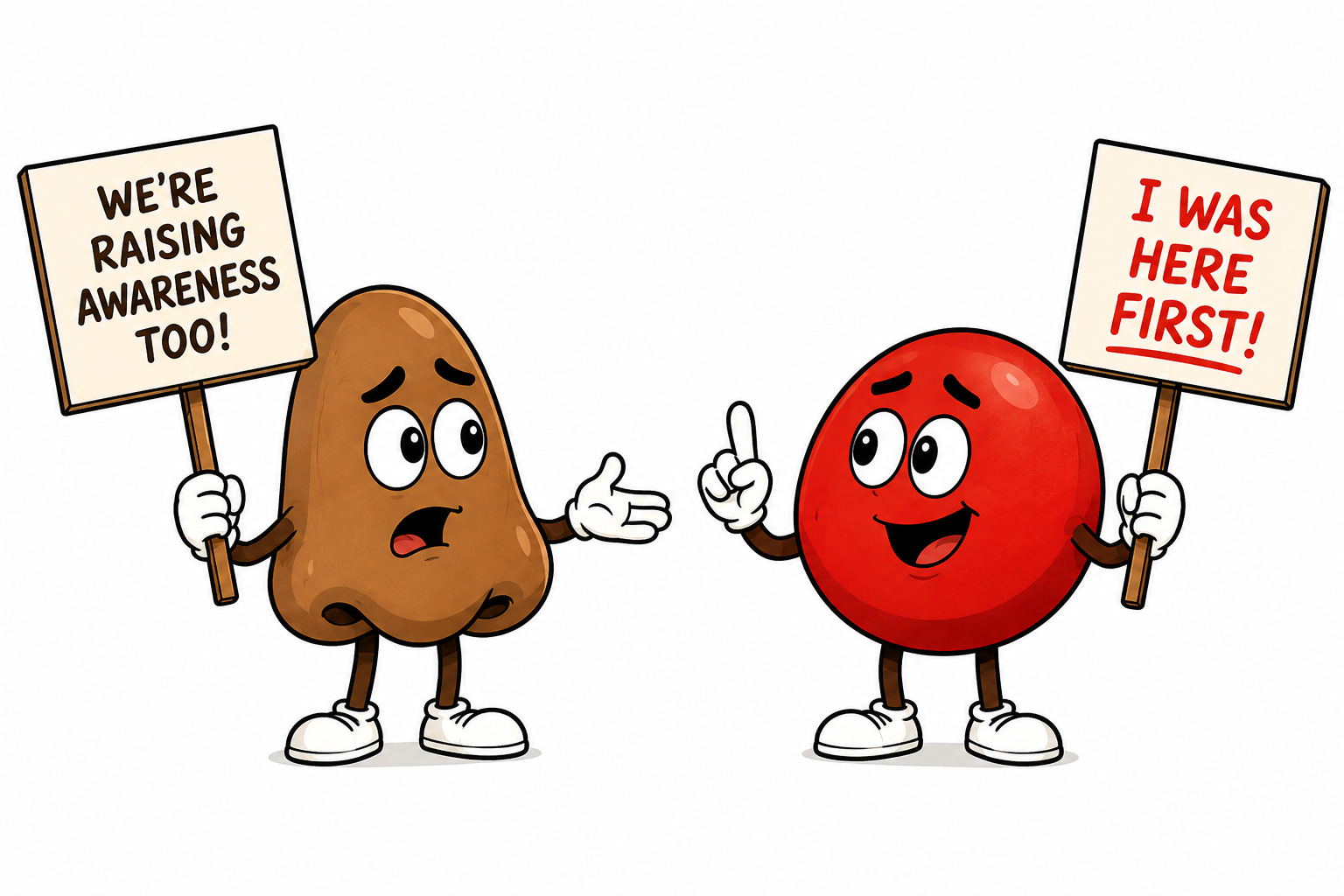
When a Registered Trade Mark Is Challenged: Lessons from Brown Nose Day
Securing trade mark registration is a significant milestone for any business, charity or organisation. A registered trade mark helps protect your brand, strengthens your market position and becomes a valuable commercial asset over time. But what happens if the Trade Marks Office later decides it may have got the registration decision wrong?
That question was recently considered by the Full Federal Court of Australia in Registrar of Trade Marks v National Cancer Foundation Limited [2026] FCAFC 95, a decision that provides important guidance on the limits of the Registrar’s power to revoke a registered trade mark.
The Background
In April 2020, the National Cancer Foundation (NCF) applied to register the trade mark BROWN NOSE DAY in connection with bowel cancer awareness and fundraising activities. During examination, IP Australia considered a number of existing registrations owned by Red Nose Limited (Red Nose), a charity aimed at raising funds and awareness for sudden infant death syndrome (SIDS). These registrations included:
- RED NOSE DAY;
- WHITE NOSE DAY;
- BLACK NOSE DAY;
- BLUE NOSE DAY;
- YELLOW NOSE DAY;
- GREEN NOSE DAY; and
- various RED NOSE DAY logo marks.
(together, the Red Nose Marks).
After reviewing the application, the examiner concluded that BROWN NOSE DAY was sufficiently different from the Red Nose Marks and accepted the application for registration. No opposition was filed during the opposition period and the trade mark proceeded to registration in December 2020. Although, the matter didn’t end there – instead, nearly a year later, Red Nose asked the Registrar to revoke the registration, arguing that the mark should never have been accepted because it was deceptively similar to its existing family of registrations. The Registrar agreed and revoked the registration, setting off a lengthy dispute that ultimately reached the Full Federal Court.
Can the Registrar Simply Change Their Mind?
The central issue before the Court was whether the Registrar’s power to revoke a registration allows a later decision-maker to revisit and replace an examiner’s earlier judgment call. The Full Federal Court said no – the Court found that the relevant revocation provisions are intended to correct genuine examination errors. They are not designed to allow the Registrar to conduct a fresh assessment and substitute a different view merely because another examiner may have reached a different conclusion. In other words, a registered trade mark cannot be removed from the register simply because someone later disagrees with the original examiner.
For revocation to be justified, there must be something more than an alternative opinion. The original registration decision must have clearly miscarried.
This distinction is important because trade mark examination often involves nuanced assessments. Two experienced examiners may legitimately reach different conclusions when evaluating issues such as deceptive similarity. The Court recognised this reality and confirmed that a mere “evaluative difference” is not enough to revoke an existing registration.
Why Did Brown Nose Day Survive?
The Court ultimately concluded that BROWN NOSE DAY was not deceptively similar to the Red Nose Marks, and allowed the mark to remain registered based on several key factors:
- The Court placed significant weight on the presence of the word Brown at the beginning of the mark. Visually, aurally and conceptually, it created a different overall impression from RED NOSE DAY and the broader family of Red Nose Marks.
- Unlike many colour-based brand names, “brown nose” carries an established colloquial meaning. Most consumers immediately recognise the phrase as referring to a sycophant or someone who flatters others to gain favour. The Court considered that this distinctive meaning created a conceptual separation from the Red Nose charity brand and its associated activities.
- The Court also accepted evidence regarding consumer behaviour in the charitable sector. Donors are generally more engaged and deliberate when deciding which organisations to support. They are less likely to make assumptions based on a quick glance and more likely to pay attention to the identity of the charity receiving support. The Court also noted that consumers are familiar with charities operating under similar naming conventions, including “[Colour] + [Cause/Day]” formats, without assuming they are connected.
Practical Takeaways
One of the most practical lessons from this decision is the importance of acting early. If a competitor files a trade mark application that potentially conflicts with your rights, a formal opposition is typically the most effective avenue available. By contrast, seeking revocation after registration is far more difficult. As this case demonstrates, revocation powers are intended to correct administrative errors, not provide a second opportunity to challenge a registration that successfully passed examination and opposition. Businesses that rely on revocation as a fallback strategy may find themselves facing lengthy, expensive and uncertain litigation.
What This Means For Brand Owners
The decision serves as a useful reminder that effective trade mark protection starts long before a registration certificate is issued. Strong brands are built on distinctive elements that stand apart from competitors, not only visually and phonetically, but conceptually as well. The more distinctive a brand is, the easier it is to protect and enforce.
It also reinforces the value of:
- conducting comprehensive clearance searches before launching a brand;
- developing trade mark strategies that consider potential conflicts from the outset;
- monitoring the trade marks register for potentially conflicting applications;
- opposing problematic applications before they proceed to registration; and
- maintaining a proactive approach to portfolio management.
At Progressive Legal, we regularly assist Australian and international clients with trade mark clearance, filing strategies, prosecution, opposition proceedings, portfolio management and enforcement. The strongest trade mark disputes are often the ones avoided altogether through careful planning and early action.
Whether you’re launching a new brand, expanding into Australia, or monitoring an existing portfolio, our trade mark team can help you navigate the process with confidence.
Need trade mark help?
Contact us by giving us a call on 1800 820 083 or request our advice today.
REQUEST OUR ADVICENeed Trade Mark Help?
Please get in touch with us today via phone or the contact form on this page.
Contact Us

Rated 5/5 based on 132 Google reviews

Request our advice
Get in touch for a no-obligation quote.

Legal packages
‘On demand’ monthly access to a lawyer.

Legal documents
We can provide you with tailored Legal Documents.

1800 820 083
801, Level 8/100 William St, Woolloomooloo NSW 2011
Mail: PO BOX 7544 Bondi, NSW 2026