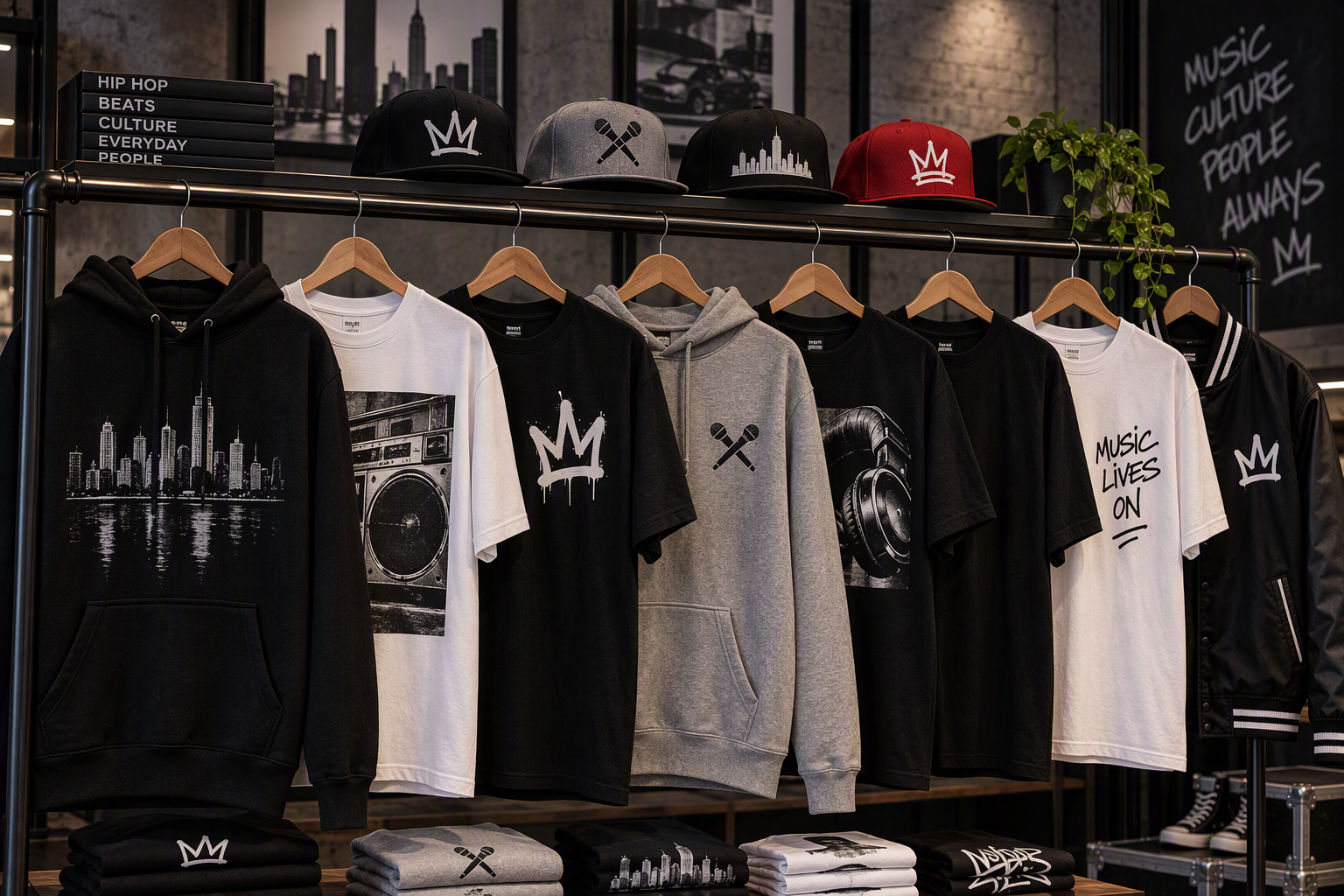
Marshall B. Mathers III v Swim Shady Pty Ltd ATMO 119

Author: Jacob Grumetza, Progressive Legal

Author: Lan Pham, Progressive Legal

Case Summary: Marshall B. Mathers III v Swim Shady Pty Ltd ATMO 119

Overview

In Marshall B. Mathers III v Swim Shady Pty Ltd ATMO 119, Delegate Benjamin Goldsworthy of the Australian Trade Marks Office (ATMO) ordered the partial removal of two registered trade marks held by world-renowned American rapper Marshall B. Mathers III (professionally known as Eminem).

The decision provides a critical warning for brand owners, celebrities, and IP practitioners regarding the strict statutory requirements for establishing genuine trade mark use under section 92(4)(b) of the Trade Marks Act 1995 (Cth) and authorised third-party use under sections 7(3) and 8, and the distinction between persona fame and trade origin reputation.

Key Facts

  • Trade Marks and goods in Dispute:
    • SHADY (Trade Mark No. 934421):
      • Class 18: Leather and imitations of leather; goods made of leather or imitations of leather; skins and hides; bags; trunks and travelling bags; purses, wallets, pouches, handbags; luggage; sports bags; bike bags; backpacks; umbrellas, walking sticks and parasols; harnesses and saddlery; parts and fittings for all the aforesaid goods; and
      • Class 25: Clothing, footwear and headgear
    • SHADY LIMITED (Trade Mark No. 938898):
      • Class 18: Leather and imitations of leather; goods made of leather or imitations of leather; skins and hides; bags; trunks and travelling bags; purses, wallets, pouches, handbags; luggage; sports bags; bike bags; backpacks; umbrellas, walking sticks and parasols; harnesses and saddlery; parts and fittings insofar as they relate to all the aforesaid goods
      • Class 25: Clothing, footwear; headgear; parts and fittings insofar as they relate to all the aforesaid goods
    • Registered Owner: Marshall B. Mathers III (an individual).
    • Applicant for Removal: Swim Shady Pty Ltd.
    • Removal Application Date: 13 January 2025 under section 92(4)(b).
    • Relevant Non-Use Period: 13 December 2021 to 13 December 2024.

Under section 100(1)(c), the statutory onus rested on Mr. Mathers to establish genuine trade mark use in Australia during the relevant period by himself as the owner or via an authorised user.

Core Issues

  1. Evidentiary Shortfalls & Undated Evidence

The Opponent’s evidence, submitted primarily via statutory declarations from legal counsel, failed to prove genuine trade mark use during the relevant period:

  • Class 18 Void: There was a complete absence of evidence showing any trade mark use in relation to Class 18 goods (bags, umbrellas, wallets, or saddlery).
  • Undated Screenshots Carry No Weight: Exhibit IB-11 contained undated website screenshots described as “current offerings” in mid-2025. The Delegate held that undated examples or post-period offerings carry little to no weight in proving use within the relevant period.
  • Bare Assertions: Statements by legal counsel asserting broad “merchandising” without itemised, dated invoices or other evidence were treated as uncorroborated conclusions of law.
  • Late-Filed Evidence: Late sales spreadsheets (Exhibit Kieltyka-2) were assigned no weight due to procedural filing defaults and identical substantive defects to the previously filed evidence.
  1. Substantial Identity & Slogan Use

The Opponent conceded that the mark SHADY LIMITED was not used per se but argued it was substantially identical to the word SHADY.

Apparel items prominently displayed complex stylised slogans such as “WILL THE REAL SLIM SHADY PLEASE STAND UP”, “THE DEATH OF SLIM SHADY”, “SHADY DEMOLITION”, and “SHADY VS EVERYBODY”.

Applying the side-by-side comparison test, the Delegate held that adding narrative, lyric, or album-related words substantially altered the identity of the standalone word mark SHADY.

It was found that such use functioned as decorative song lyrics or persona references rather than an independent badge of trade origin.

  1. Authorised Use & Control

While Mr. Mathers held the registrations personally, the merchandising was operated by a third party, Interscope Records, including through the official websites (eminem.com and shadyrecords.com).

The Delegate rejected the Opponent’s argument that a celebrity’s fame implies control over their merchandise as an attempt to “invert the statutory onus of proof”.

Because the Opponent produced no written licensing agreements, quality control frameworks, or direct testimony from Mr. Mathers proving actual oversight, Interscope’s commercial activities could not accrue to the registered owner.

  1. Registrar’s Discretion

In evaluating whether to exercise discretion under section 101(3), the Delegate established a crucial distinction between persona reputation and trade mark badge-of-origin reputation:

  • Mathers possesses an immense reputation as a musical performer under the persona ‘Slim Shady’.
  • However, celebrity reputation alone does not establish that Australian consumers perceive “SHADY” as a badge of origin indicating Mr Mathers personally as the trade source for the relevant goods.
  • Without direct testimony from Mr Mathers or other evidence that removing the marks would cause consumer deception regarding trade origin, the Delegate refused to exercise discretion.

Final Decision & Outcome

Delegate Benjamin Goldsworthy directed the partial removal of trade mark numbers 934421 (SHADY) and 938898 (SHADY LIMITED) from the Australian Register of Trade Marks in respect of all contested Class 18 goods and Class 25 goods, and awarded costs against the Opponent.

Key Takeaways for IP Lawyers & Brand Owners

  1. Document corporate & individual IP structures: Always execute formal, written licence agreements with explicit quality control mechanisms when the entity which owns the trade mark registration is not the entity actively using the trade mark in relation to the relevant goods and services. This includes where an individual artist, creator, or founder owns trade mark registrations personally while corporate entities manage the merchandise.
  2. Distinguish Persona from Trade Origin: Celebrity status does not substitute for proof of use of, and reputation in, the mark as a badge of trade origin in relation to the relevant goods and services.
  3. Usage as a trade mark: Ensure core word marks are used cleanly to indicate trade origin rather than solely as graphics or decoration on goods.
  4. Timestamp Evidence: Avoid relying on real-time website captures taken when drafting statutory declarations post-period. If you don’t have timestamped historical archives or back-end e-commerce logs strictly falling within the three-year window, those captures carry little weight without contemporaneous, dated supporting evidence.
Contact Us
  • This field is for validation purposes and should be left unchanged.
  • By submitting this form, your information will be dealt with in accordance with our Privacy Policy. You agree to receive emails from us, however you can unsubscribe at any stage.

Need Trade Mark Help?

Please get in touch with us today via phone or the contact form on this page.

Contact Us

  • This field is for validation purposes and should be left unchanged.
  • By submitting this form, your information will be dealt with in accordance with our Privacy Policy. You agree to receive emails from us, however you can unsubscribe at any stage.